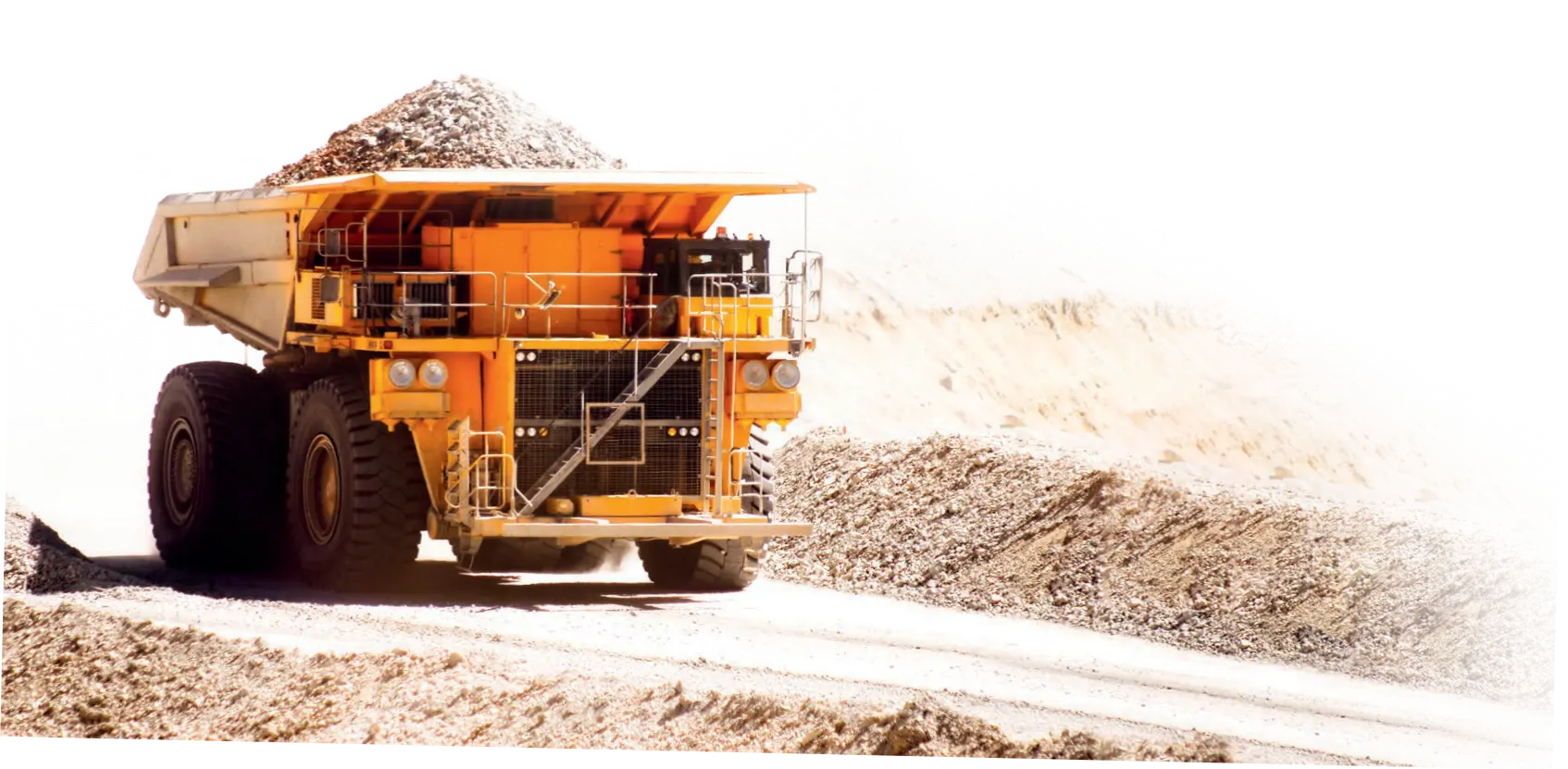
Slow settling
Limits thickener throughput and process stability.
Lost time and outputCOREFLOC is developed for a specific ore and process. It improves settling, filtration and tailings dewatering so mineral processing plants can reduce losses and increase throughput, revenue and profit.
A standard off-the-shelf reagent may perform its basic function without accounting for ore mineralogy or actual process conditions.
Limits thickener throughput and process stability.
Lost time and outputReturns suspended solids to process water and disrupts downstream operations.
Loss of valuable componentIncreases cake moisture, cycle time, equipment load and energy consumption.
Higher operating costsA standard formulation and higher dosage do not guarantee a better result.
Unnecessary operating expenseAt mineral processing plants, fractions of a percent scale across millions of tonnes of processed ore. Flocculant performance should therefore be measured not only by settling rate, but also by additional output, lower costs and final profit.
The specific financial impact is calculated after laboratory and industrial trials using the plant's own operating data.
From solid-liquid separation to tailings dewatering and the return of cleaner water to the process.
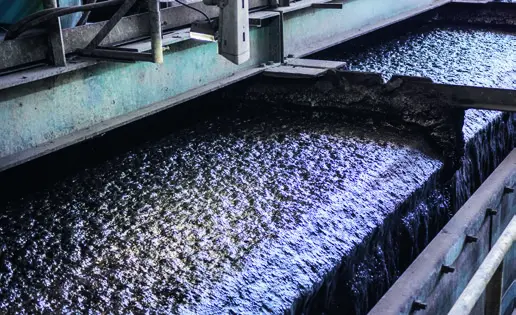
Faster phase separation, clearer overflow and more stable equipment operation.

Better filterability, shorter cycles and reduced equipment load.
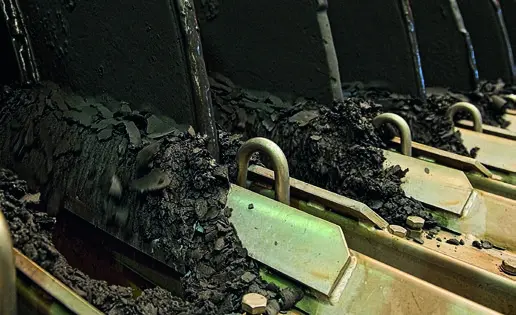
More effective dewatering, controlled disposal and more water available for reuse.
The solution is taken from medium analysis through technical and economic assessment. The objective is to confirm the result before full-scale implementation.
Analysis of the ore, water, current reagent and process constraints.
Selection of polymer type, molecular characteristics and working dosage.
Laboratory tests, a trial batch and an industrial-scale evaluation.
Performance comparison, financial impact calculation and application procedure.
The manufacturer is responsible for chemistry and laboratory expertise. The regional engineering team manages trials, integration and stable operation on site.

Feralco Group was founded in 2000 and is headquartered in Helsingborg, Sweden. Its European production network includes 18 plants, while products are adapted to specific processes and application conditions.


WTS connects the product, the process and the equipment: it arranges medium analysis, laboratory and industrial trials, calculates the impact and supports implementation.
Feralco products are used at major mining and metallurgical operations in Europe and South America.
Examples reflect experience across the Feralco product portfolio. Product selection and financial impact are confirmed separately for each operation.
COREFLOC's primary focus is mineral processing. An extended Feralco reagent portfolio is available for water treatment applications.
Higher recovery and throughput with lower losses, reagent consumption and equipment load.
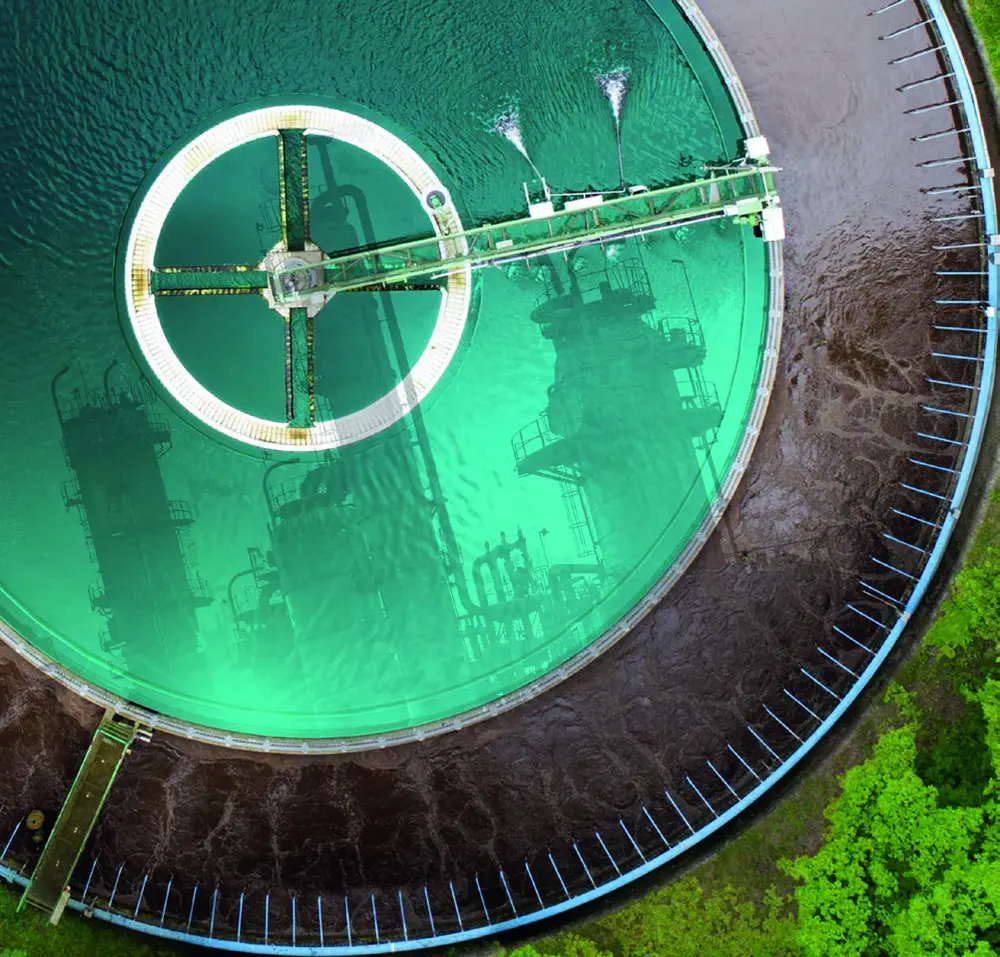
Stable settling, lower turbidity, improved sludge treatment and enhanced phosphorus removal.
COREFLOC + aluminium- and iron-based coagulants
Lower COD, prevention of foaming and sludge bulking, and increased treatment capacity.
COREFLOC + combined products and NICASALThe flocculant remains at the core of the offer. Complementary products are added where they improve overall process performance.
Settling of mineral particles, ore processing and tailings management.
Organic-rich sludges, dewatering and wastewater treatment.
Stable performance under changing pH, salinity and water quality.
Aluminium- and iron-based products, coagulant-polymer combinations, and process-water products with low chloride and sulphate content.
WTS designs and supplies the equipment required for safe storage, correct preparation and accurate dosing of reagents.
Equipment on the WTS website ↗Automatic solution preparation at a specified concentration and maturation time.
Tanks, pumping units, piping, instrumentation and automated control.
Integrated solutions for acids, alkalis and other chemically aggressive media.
We start with your process challenge and current performance. Then we propose a laboratory trial programme and clear criteria for evaluating the result.